Four period tents are greater than sanctuaries-- they transform into essential survival infrastructure in extreme wild environments. To prosper in this specialized duty, they should handle essential microclimates to guarantee security and convenience.
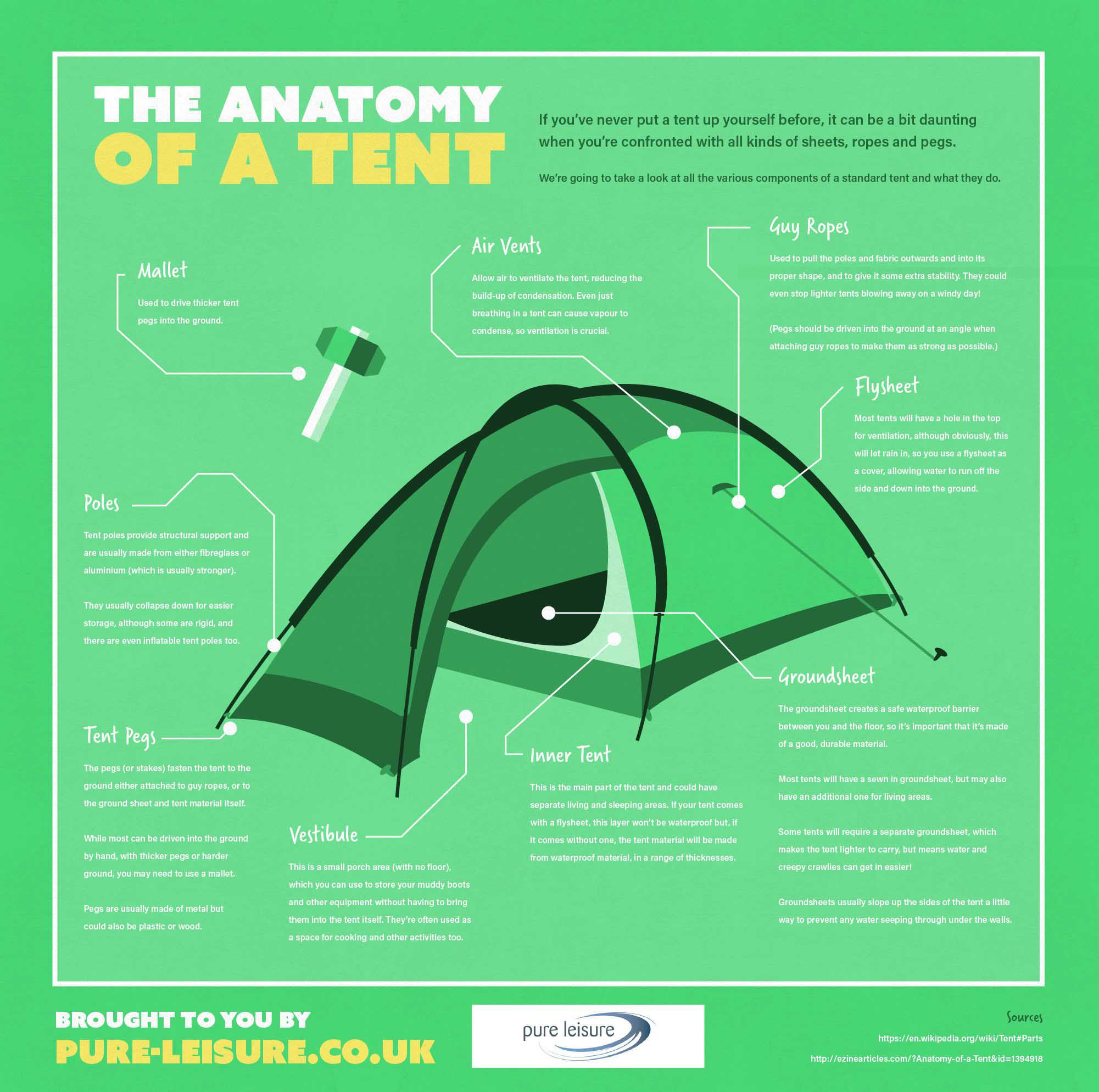
Ventilation is an essential part of this procedure. Flowing air launches wet vapor, reducing condensation accumulation and enhancing total interior convenience.
Wind-Resistant Air flow
Unlike 3-season camping tents that depend on the fly to block drafts, 4-season shelters have full-coverage fly designs that prolong down to the ground and produce dead air area in between the inner and outer wall surface. This allows wind and snow to pass under the fly without developing cold, damp drafts that pull warm from the resting bag and cause condensation.
Consequently, efficient cold-weather ventilation counts on controlled and very little airflow instead of maximum openness. Tiny vents strategically placed in the roof and wall surfaces permit wetness to get away without losing heat and allowing cool outside air to go into.
NEMO's Tenshi 2P, a two-person winter camping tent, is an excellent example of this strategy. Its breathable construction and versatile post design make sure that the outdoor tents doesn't collapse in high winds, while its vents permit cozy, wet air to escape without letting cool air in.
Temperature-Controlled Ventilation
The environment challenges of tented occasions call for innovative temperature level control remedies. These methods can offer a cozy ambiance during freezing nights and cooling convenience during summer, all while lining up with eco-conscious occasion techniques.
Ventilation plays a crucial duty in temperature level guideline, making certain correct moisture administration and air blood circulation throughout the tent. This is particularly essential in exotic, seaside and summer-dominant outdoor camping markets. Without adequate ventilation, hot and damp air quickly ends up being trapped inside the tent, bring about interior condensation and temperature discrepancies that jeopardize convenience.
Guarantee your outdoor tents is well-ventilated and located in a location shielded from winds, to prevent the chilly air from creeping in and swiping your temperature. Resting bags with ideal temperature ratings, a well-placed tarp to block wind, and adding a blanket or rug to the floor of your tent will assist keep warmth. Open or a little unzipped vents can also allow vapor from breathing and cooking to run away, yet do not endanger heat with too much air flow.
Breathable Air flow
Unlike three-season camping tents that are light-weight momentary shelters, 4 period outdoors tents work as important survival facilities, transforming potentially deadly outdoor conditions into convenient settings via careful style and sophisticated materials. This is why skilled professional camping outdoor tents suppliers deal with air flow as a practical system as opposed to heavy-duty tent a simple add-on or checklist item.
Especially made for wintertime atmospheres, specialized camping tents keep heat more successfully and supply remarkable wind resistance to reduce hypothermia risks. However, reliable cold-climate air flow systems should be balanced versus the danger of internal condensation accumulation that can dramatically deteriorate textile longevity and lower thermal efficiency.
Yolloy's clear inflatable bubble tents supply this equilibrium, integrating durable PVC textiles with a closed inflation system that maintains the camping tent inflated for days without calling for covering up (no more getting up to a collapsing outdoor tents because of snow weight). In summertime, the transparent textile lets in the sunlight's UV rays, and on a great evening, you can open up the lower vents to enjoy the evening sky.
Moisture-Resistant Ventilation
If the air in your outdoor tents is stationary, wetness won't get away and will accumulate. Air flow keeps the air distributing, exchanging it with cooler, drier exterior air and decreasing condensation.
In cold-weather settings, efficient air flow concentrates on marginal, regulated air movement instead of openness. When warm internal air satisfies cold outside air, it creates condensation and various other unpleasant issues that are mitigated by effective ventilation.